The island of gods
On Bali, spirituality is part of everyday life. From small morning offerings placed in front of homes and shops to temple festivals and ceremonial processions, the island’s rituals create an atmosphere that feels both grounded and extraordinary. This deep connection between people, place and tradition is one of the reasons Bali leaves such a lasting impression.
A culture woven into daily life
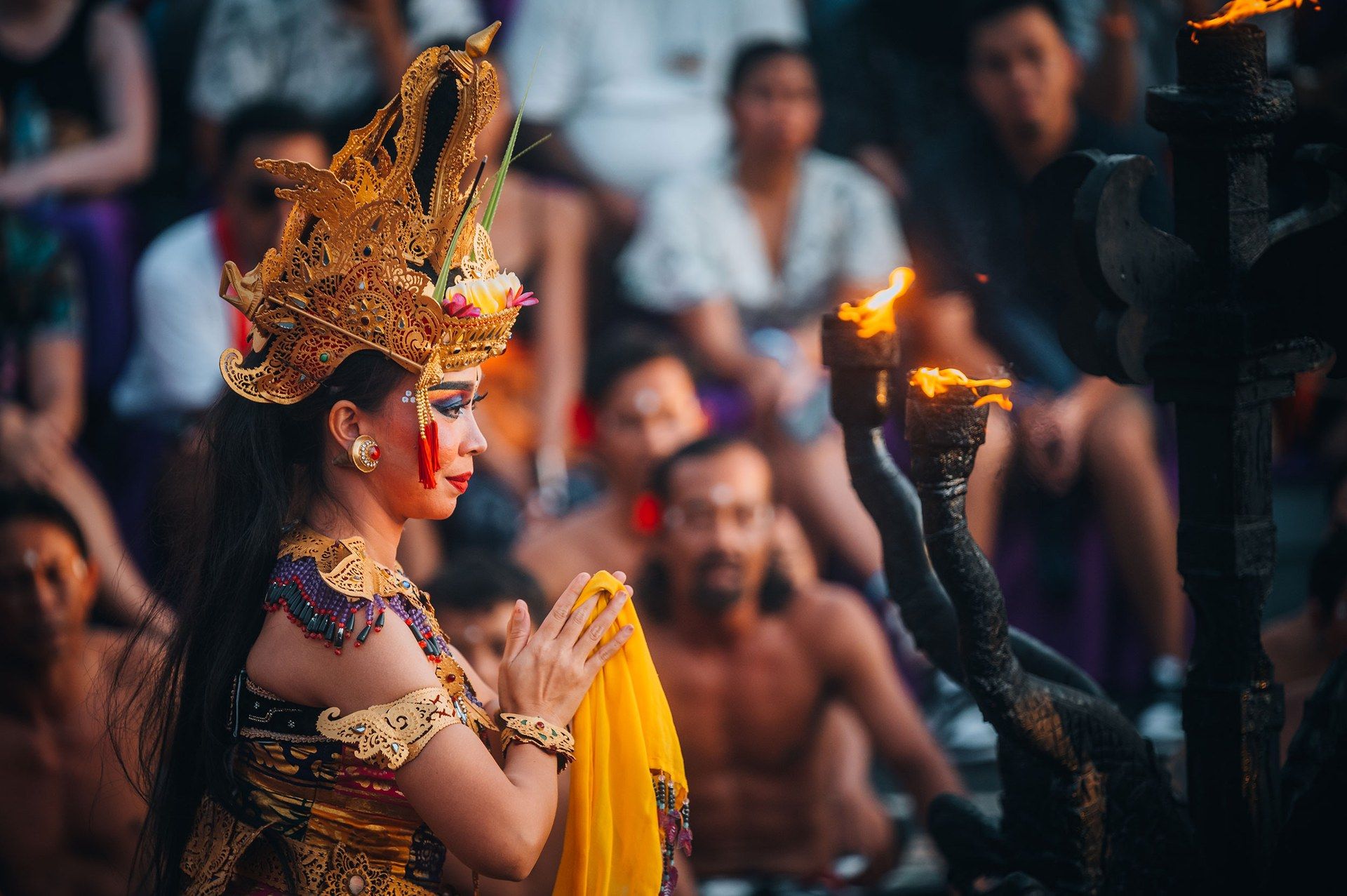
What makes Bali so distinctive is not only the beauty of its landscapes, but the way culture lives naturally within them. Spirituality is present in everyday gestures — in the scent of incense, in woven offerings placed on the pavement, and in the quiet rhythm of rituals repeated across the island each day.
Rather than being reserved for special occasions, these traditions are part of daily life. They shape the mood of homes and public spaces, adding a sense of meaning, calm and continuity to the island’s atmosphere.
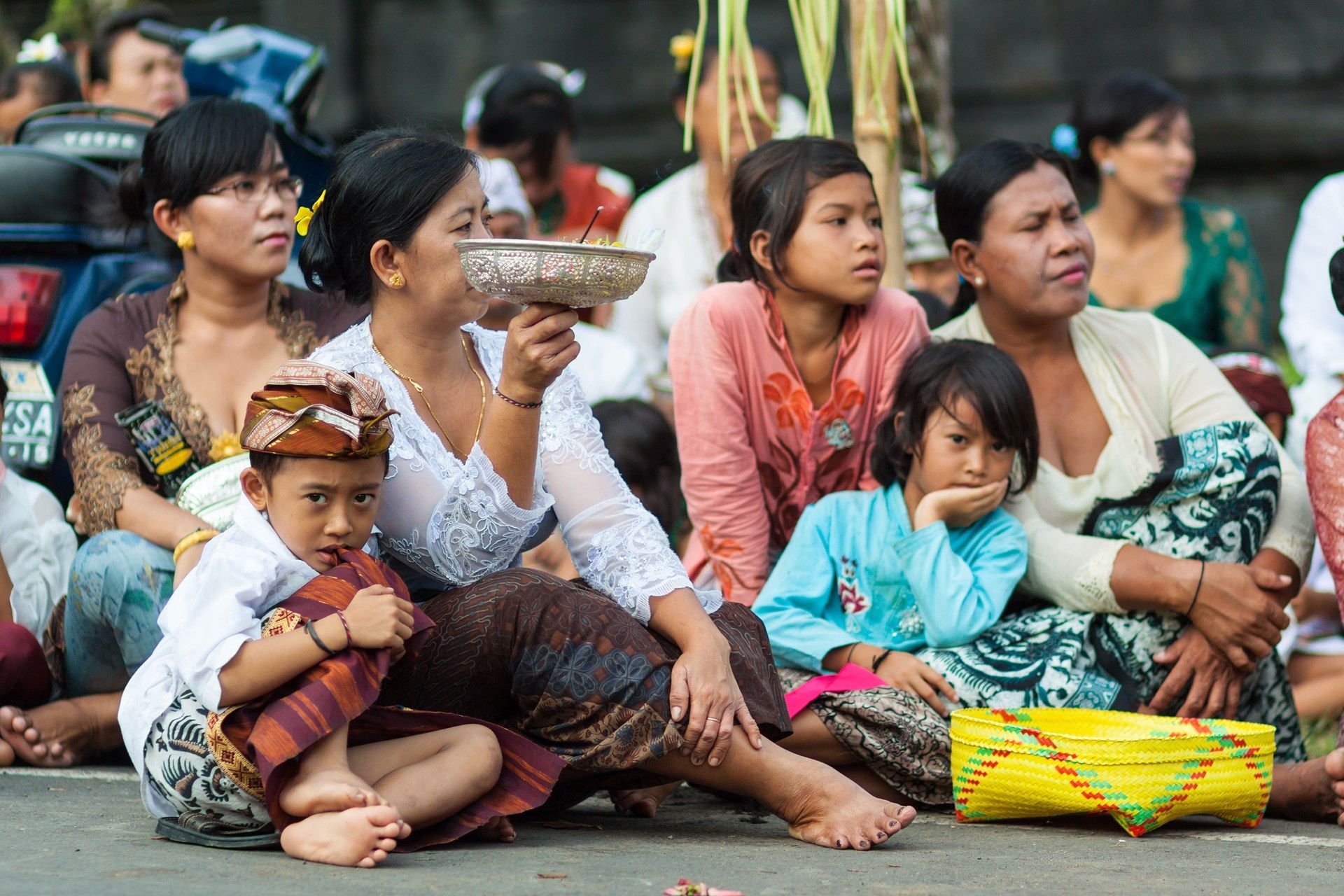
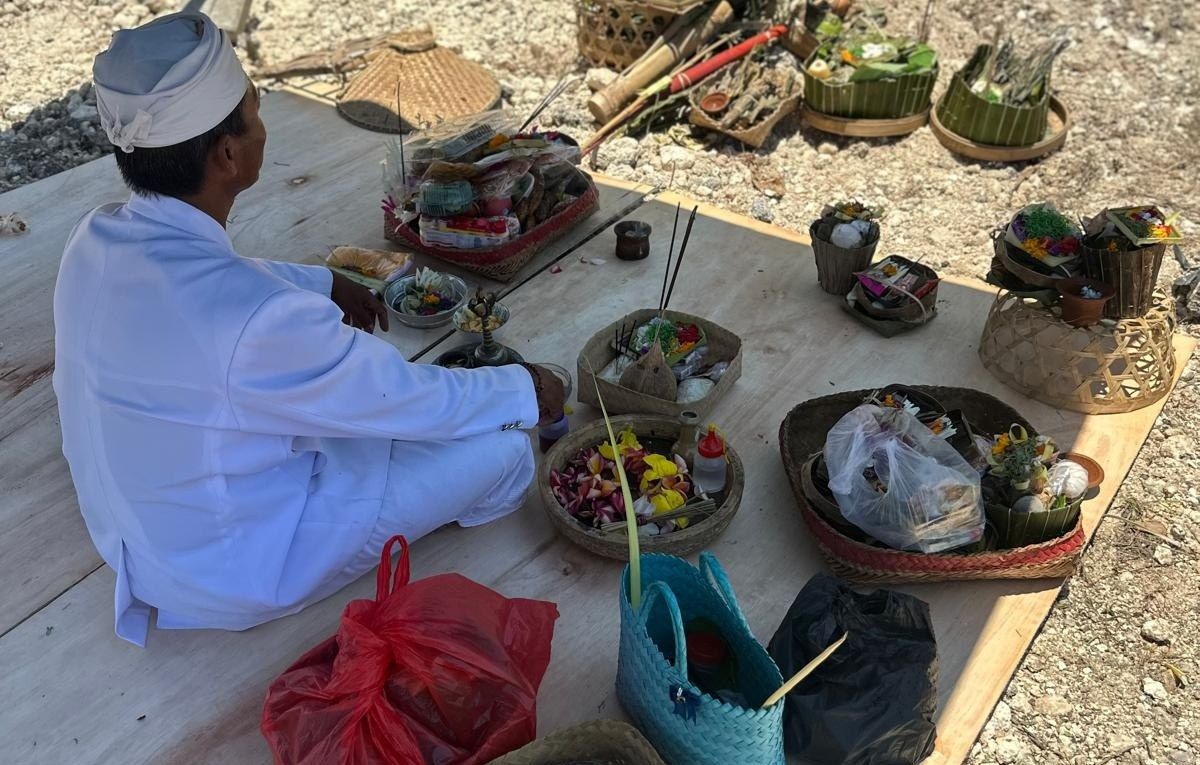
Balinese ceremonies are not staged for visitors — they are an active and living part of the island’s culture. Processions in traditional dress, colourful offerings, music and collective gatherings mark important moments throughout the year, while smaller rituals continue quietly every day.
These traditions bring a strong sense of togetherness. They connect generations, reinforce local identity and remind visitors that Bali’s appeal goes far beyond scenery alone. It is a destination with a cultural depth that can be felt in the simplest moments as much as in its grand celebrations.
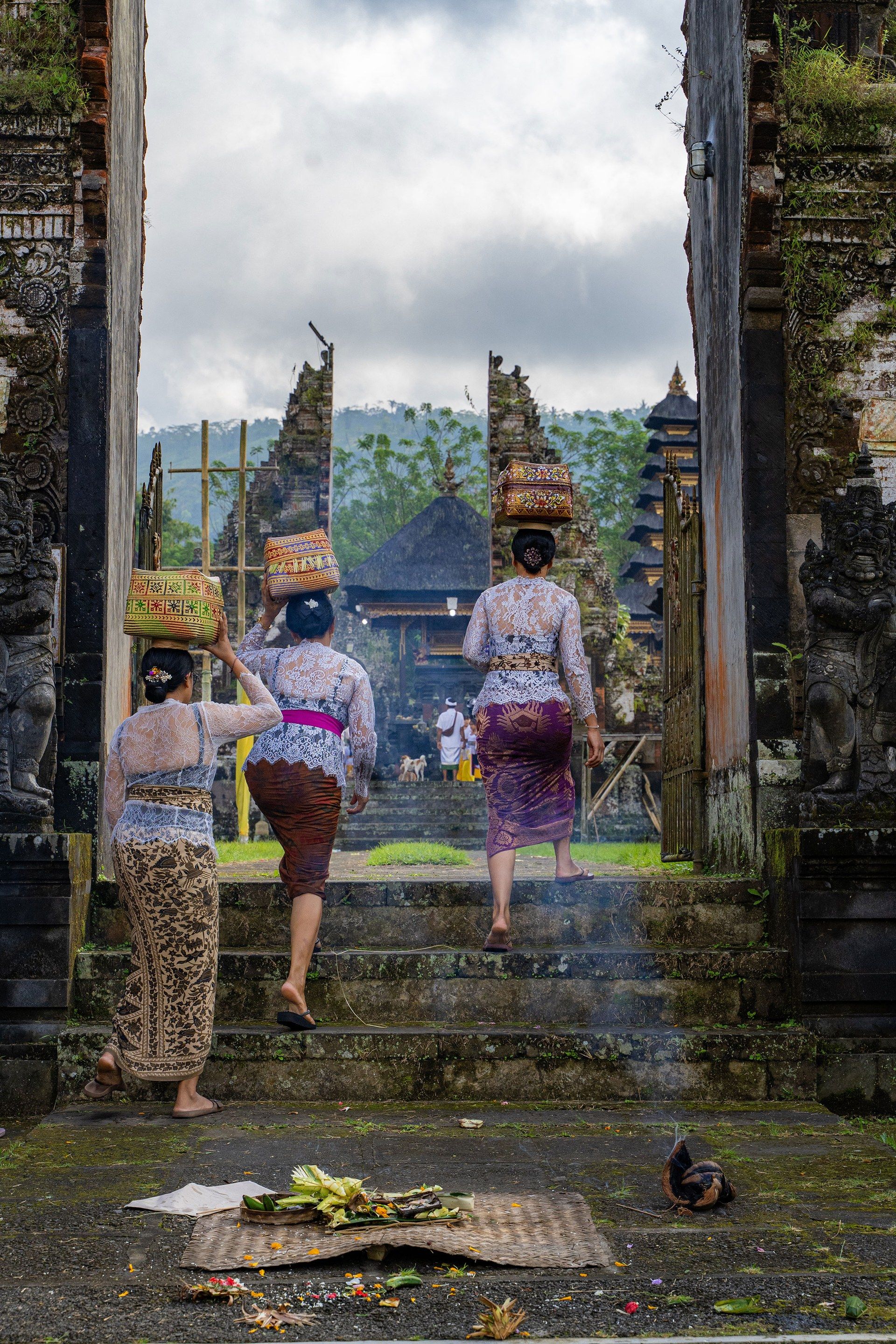
Temples - the beating hearts of the island
Temples are among Bali’s most defining landmarks. From dramatic sea temples set against the horizon to intimate village shrines surrounded by greenery, they form an essential part of the island’s identity. Their architecture, stone carvings, ceremonial gates and layered courtyards reflect a culture where beauty and belief are closely connected.
Some temples are celebrated across the world, while others remain deeply local and woven into the life of a single community. Together, they reveal the spiritual structure of the island - visible not only in sacred places themselves, but also in the way they shape the surrounding landscape.
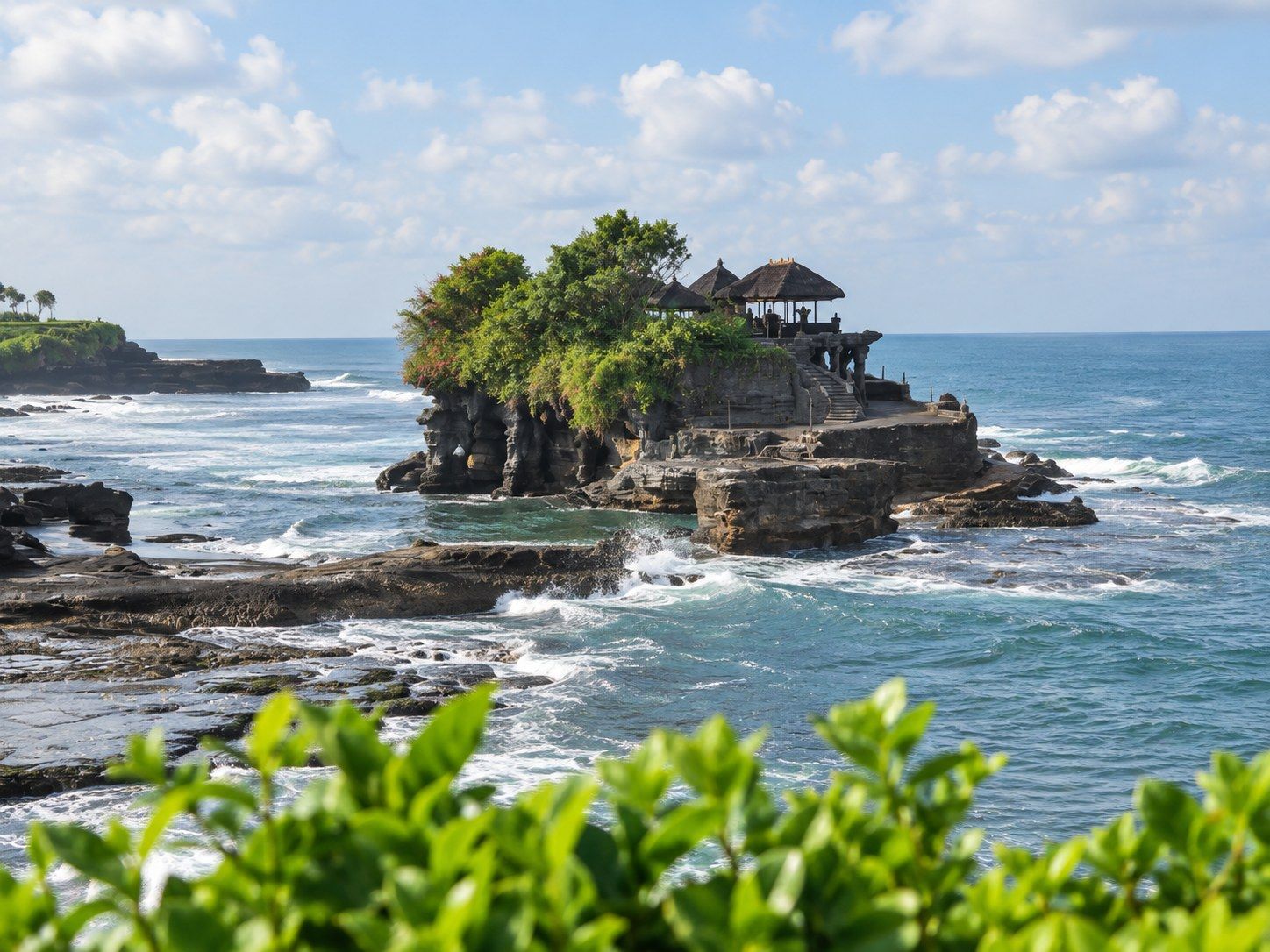
Tanah Lot
One of Bali's most iconic temples, built on a rock formation jutting out of the ocean. It is associated with the worship of the sea and is one of the island's most photographed sites, especially at sunset.
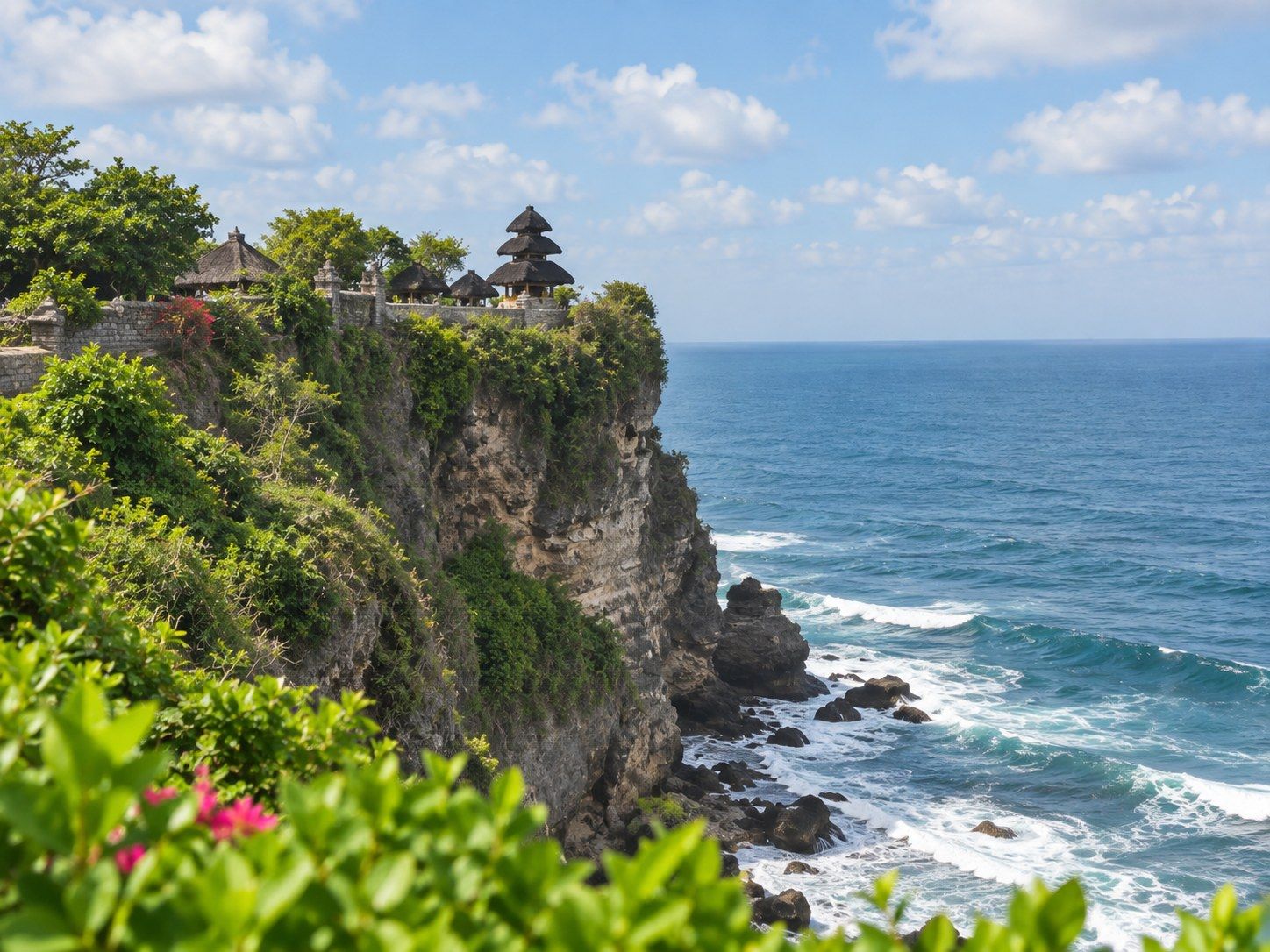
Pura Luhur Uluwatu
A temple dramatically perched on a high limestone cliff overlooking the Indian Ocean. It is one of Bali’s most significant temples and is also known for its evening performances of the traditional Kecak dance at sunset.
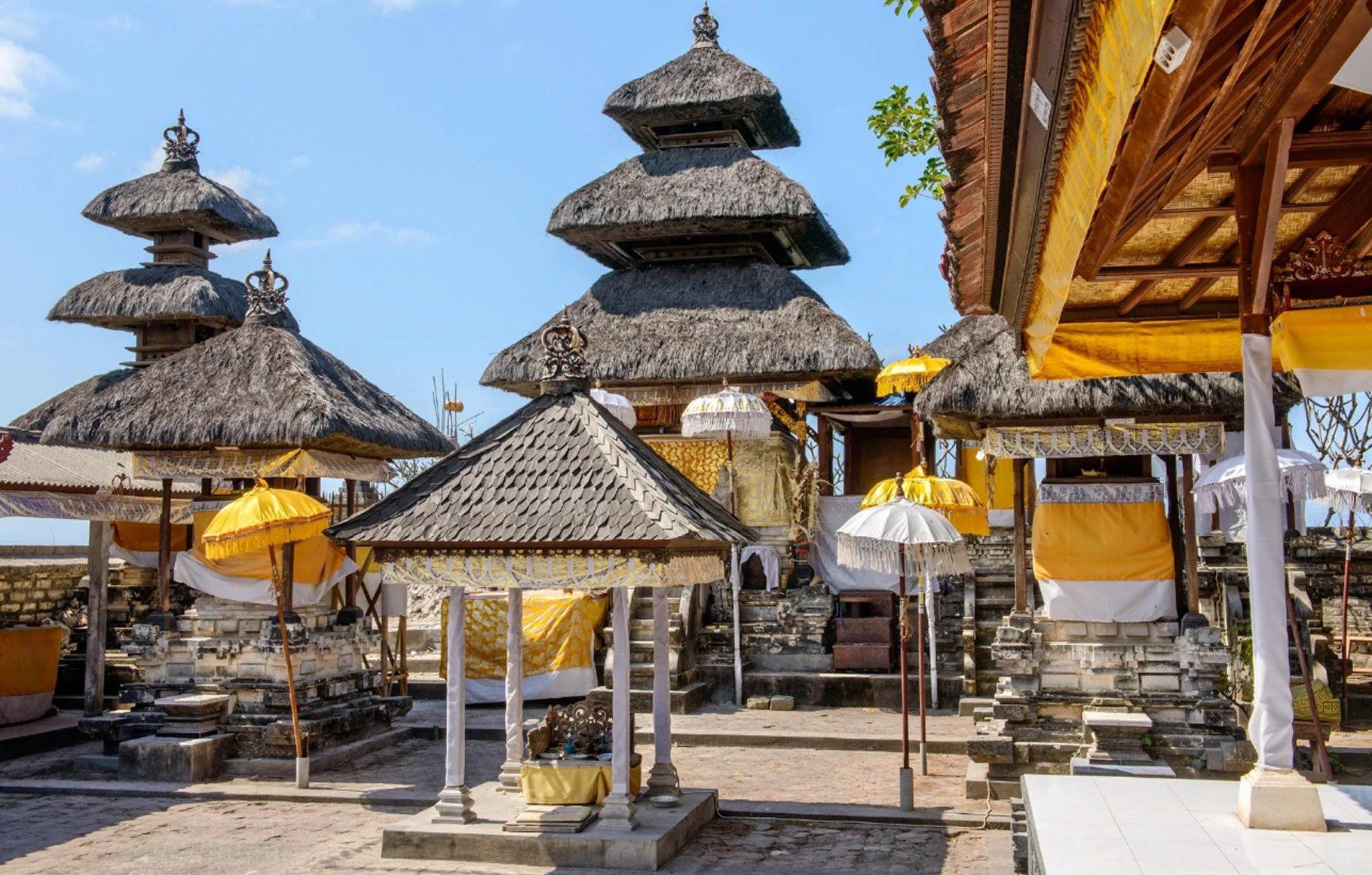
Pura Geger Dalem Pemutih
A less touristy yet still actively used temple located right in the Nusa Dua area stands on a rocky promontory above Geger Beach. Unlike the island’s better-known structures, it has retained its authenticity and intimate atmosphere.